



-
 Written By:
Erin Andrade, LICSW
Written By:
Erin Andrade, LICSW
-
Edited By:
Phyllis Rodriguez, PMHNP-BC
-
Clinically Reviewed By:
Dr. Ash Bhatt, MD, MRO
 Written By:
 Edited By:
 Clinically Reviewed By:
Packing the right clothes, documents, and personal items makes your first day of treatment easier. A well-prepared bag reduces stress so you can focus on healing.
Contact admissions now to confirm your packing list and prepare for arrival.
Knowing what to pack for rehab Boston 1s a key part of getting ready for a good stay in live-in care. You should focus on bringing plain, comfy clothes for about seven to ten days, like T-shirts, pants, and sneakers. It is also vital to bring a valid photo ID and your insurance card for when you arrive. Most centers also ask that you bring any current meds in their own bottles so the staff can check them right. Per SAMHSA, being ready with the right items can make the move into a care home much easier. You should not bring things like costly jewelry, large amounts of cash, or clothes with words that mention drugs or alcohol. By packing only the basics, you can keep your room clean and focus on your health and staying sober.
You might feel unsure about what you will need during your stay. We want to help you feel ready and calm for this next step in your life. This guide explains what to pack for rehab in Boston 1o you can arrive with the essentials and leave unnecessary stress at home.
What to pack for rehab Boston: the essential checklist
Getting ready for your stay at a rehab center is a big step. Each center has its own rules for what you can bring. You should call the team before you pack to check their current rules. This list covers the basics most people need when they start their path to health. Taking the time to pack the right items helps you feel ready. It lets you focus on your work instead of worrying about what you forgot.
Required items for your stay
You will need a few key items to help the intake go fast. Make sure you have a valid photo ID and your current health insurance card. You should also bring a list of any drugs you take and the contact info for your doctor. If you have questions about the admissions process, it is best to ask early. Having these papers ready helps the staff set up your care plan. It also ensures your insurance covers your stay from day one. You may also want to bring a small amount of cash, like $50 to $100, for vending machines or small store runs.
Legacy Healing Center’s residential inpatient treatment program provides the structured medical and clinical support needed during your stay, with 24/7 access to physicians and therapists.
Clothing and personal care items
Boston 1eather can change fast, so pack for the current season. Most people bring five to seven sets of casual, modest clothes. This often includes items like jeans, T-shirts, and a light jacket. Make sure your clothes do not have slogans about drugs or alcohol. Many centers ban items that show alcohol or violent images.
- Five to seven outfits of casual, comfy clothes.
- A light jacket or heavy coat for the Boston 1eather.
- One or two pairs of comfortable walking shoes.
- Shower shoes or flip-flops.
- Personal care items like soap and toothpaste without alcohol.
Most facilities limit you to one or two suitcases. This keeps your room neat and helps you focus. Checking your items before you leave ensures you meet the center’s rules. This way, you avoid having items taken away or sent home during your first day.
Personal items and tools
Focusing on your health is easier when you have few things to pull your focus. Many centers tell you to leave costly items like jewelry at home. You should also check the rules about phones, tablets, and laptops. Some centers limit how often you can use these tools to help you focus on your treatment goals and new habits.
You might want to bring a journal or a few books to read in your down time. A list of phone numbers for family and friends is also a good idea. This helps if you do not have access to your cell phone contact list. Most people find that bringing a few photos of loved ones makes their room feel more like home. Just remember to keep your personal items to a small amount to stay organized.

Documents, medications, and health information to bring
Getting ready for a live-in program can feel like a big job. One of the most vital steps is picking up your legal papers and health facts.
Having these items ready will help the admissions process go well. You want to focus on your path. Bringing the right data from the start helps the staff build a good care plan for your needs.
Needed papers and insurance cards
When you arrive, you must prove who you are and how you will pay for care. You must bring a valid photo ID. This can be a driver’s license or a passport.
You also need your current health insurance card. This helps the team check your plan right away. If you are not sure about your plan, call the center before you travel to Boston.
It is also a good idea to make a list of your emergency contacts. This list should have names and phone numbers for your top people.
You may also want to bring a small amount of cash in small bills. Most experts say to bring between $50 and $100. This is for small store runs or for machines that sell snacks. This helps you get basic items without a bank card.
Handling meds and health records
If you take meds for other health needs, you must bring them in their original containers. This rule keeps you safe and helps the staff track what you take.
The bottles must have clear labels from the shop. They should show your name, the drug name, and the dose you take. Do not bring loose pills in bags or small cases.
Some centers need your doctor to fax your med list to them before you come. This should happen about one week before you start your stay.
You should also bring a copy of your recent health facts if you have them. This includes your diagnosis and your old health goals.
Having a written treatment plan helps the new team know your health past. This leads to safer care during the detox and rehab stages.
Contacts and pharmacy details
You should keep a list of your local pharmacy’s contact data. This includes the name, street, and phone number of the shop where you get your meds.
The intake team will use this to confirm your needs or to get more pills if they run out. During your first day, you will talk to doctors and nurses for a check-up. They will ask about your health and do drug tests to keep everyone safe.
Being honest with the staff about your past drug use is key to a good plan. If you are looking at what to pack for rehab Boston, double-check your list of items. Missing papers can slow down your start date.
Having everything in one folder makes the day much easier for you and your family. This way, you can start your work on getting better as soon as you walk in the door.
What should you leave at home?
Why some items are not allowed
When you start a stay at a treatment center, the staff wants to keep you safe. A clear space helps you focus on your health and your new life. This is why some items must stay at home. If you bring the wrong things, the staff may have to hold them for you until you leave. Learning about the admissions process and what to pack for rehab Boston 1ites require helps make your first day go fast. It lets you get settled and start your care without any stress.
Clothing and personal care rules
Most centers have rules about what you wear each day. You should not bring clothes that show too much skin or are very tight. For instance, some places do not allow short skirts or tank tops. You should also leave behind shirts with drug or alcohol logos. These images can make it hard for others to focus on their own path to get well. It is best to bring plain and loose items that help you stay relaxed during your stay.
You also need to check your soap and hair products. Many rehabs do not allow items that contain alcohol. This includes some mouthwash, perfume, or cologne. Official sites like the Indian Health Service note that these rules help keep the site safe for everyone. Look for labels that say alcohol-free to be sure. This helps you avoid any issues during the search of your bags when you arrive.
| Type | Leave at Home | Bring to Rehab |
|---|---|---|
| Personal Care | Alcohol-based mouthwash | Unopened, alcohol-free items |
| Clothes | Drug or alcohol slogans | Plain, loose clothes |
| Tech | Cell phones and laptops | Paperback books and journals |
| Money | Credit cards or large cash | Small amount of money in bills |
| Medicine | Loose pills or old bottles | Original bottles with labels |
Devices and costly goods
It is best to leave jewelry and large amounts of cash at home. Most centers suggest you bring only a small amount of money for store runs or snacks. Bringing costly things can lead to loss or theft, which causes unneeded stress. By leaving these at home, you can keep your mind on your daily work. This also helps the staff keep the center fair for all who are there.
Many centers also limit cell phones and laptops. These tools can link you back to the stress of your old life or your old friends. At Legacy Healing, we know that privacy is key for every person who stays with us. Our About Us page shows our focus on a safe and quiet space. Leaving your tech at home helps you build a new routine. It gives you time to think and heal without the noise of the digital world.
Talk to the admissions team
Every center has its own list of what to leave out. You should always call the team before you pack your bags to get the full list. They can give you the most current rules for their site. If you have a special need for a certain item, ask them first. This simple step helps you feel ready and calm when you walk through the door. It is the best way to start your journey to a better life.
Privacy and communication during residential treatment
Legacy Healing Center’s inpatient treatment program provides structured residential care where clients can focus on recovery with clinical support.
What should you expect? Staff review your belongings at arrival, explain communication rules, and protect treatment information under applicable privacy requirements. Confirm device access and approved contact methods with admissions before your stay.
When you start care, you enter a safe space meant for healing. Privacy is a key part of this journey. Most centers follow strict rules to keep your health data safe. These rules often go beyond standard laws to give you full peace of mind during your stay. You can focus on your work without worry about outside leaks.
Safety and search rules
Safety is the first goal for any residential site. Most centers in Boston 1ill check your bags when you arrive to ensure no banned items enter the unit. Staff may also check rooms at set times. These checks help keep the site safe for everyone. You should ask the admissions team about their specific rules for room and bag checks before you arrive.
Personal items like clothes and journals are usually fine. But most centers discourage bringing big valuables or expensive jewelry. This helps prevent loss and keeps the focus on your health. You should stick to a few bags of casual, comfortable clothes and leave the high-value items at home to stay safe.
Phone and device use
Many centers limit how much you use your phone or laptop. This break from the digital world helps you stay focused on your goals. Some sites may take devices when you first get there and return them later. Others have set times for calls or email. Each place is different, so it is best to check their tech rules in advance.
Staff often manage mail as well to maintain a drug-free space. This may involve opening letters in front of you or checking packages. While these steps may feel strict, they are there to help you and others succeed. If you have concerns about tech use, you can talk to a pro about how treatment fits your needs.
Care rules and rights
Your right to privacy is built into the law. Centers must follow HIPAA and other rules to hide your identity and care facts. No one can know you are in care without your written consent. This protection lets you speak freely with your medical team and focus on your path to recovery.
Dignity is just as vital as safety. You should feel seen and heard throughout your stay. A good center will respect your personal space while keeping everyone safe. If you ever feel a rule is not a good fit, you can ask for a review of your plan. Staff are there to help you reach your goals in a way that feels fair and respectful.
How to prepare before your residential stay
How can you prepare? Confirm the current packing rules with admissions, organize your photo ID and insurance card, keep medications in original labeled containers, arrange travel, and tell trusted contacts how to reach you. Pack light so you can focus on treatment.
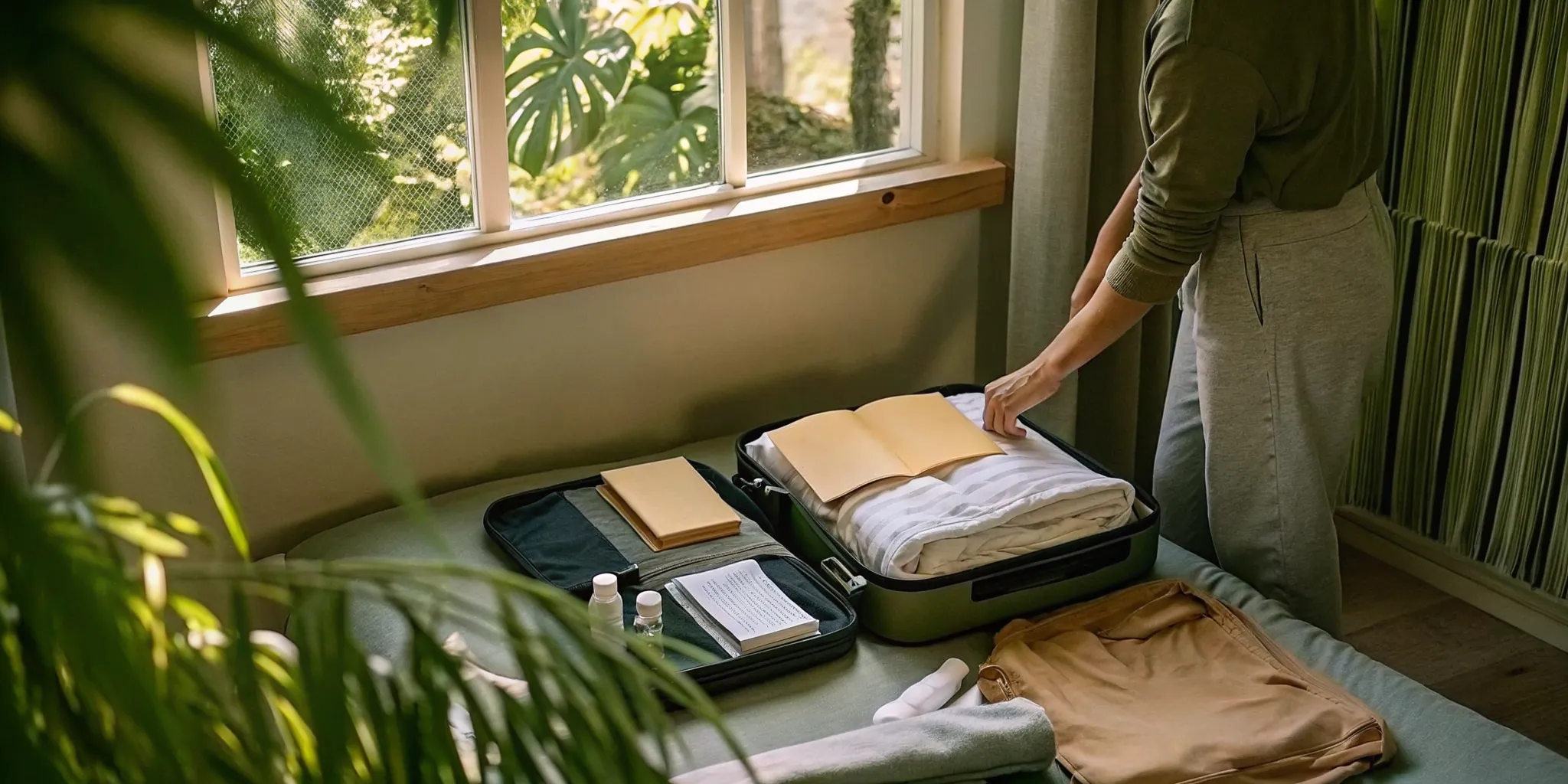
Starting a rehab program is a big step. You may feel many things, from pride to being tired, as you begin this path. Taking the right steps in the two days before you arrive can help you feel calm. A clear plan makes the admissions process much faster and easier for everyone.
Finalize your papers
You must have the right papers ready before you walk in. A valid photo ID and your insurance card are the most vital items to bring. Many places also ask you to bring your own treatment plan. This plan should list your health goals for your stay.
If you take pills now, keep them in the bottles they came in. You can learn more about what to expect from treatment from public guides. This help can make your first few days much better.
Talk to your doctor about your pills before you leave. Some centers ask your doctor to fax a list of your drugs a week before you start. It is a good idea to check these rules with the staff at the center. They can tell you about their list of approved items for patients.
Being open with your health team about your past helps them give you the best care. You must show all items to the staff so they can keep you safe during your stay. This builds trust from the very first day.
Set up your support team
Before you go, you must handle your tasks at home and work. Tell your family and friends where you will be. Pick a few people to be your main contacts in case of an urgent need.
You should also think about how you will get to the center. If you live in Boston, you know the weather can change fast, so plan for the season. Confirm your ride early so you do not have to worry on your last day at home.
Pack only what you need
Most people want to bring many things, but it is best to pack light. A simple space helps you stay focused on your health. Most places allow only one or two bags.
Choose soft, comfy clothes that do not have words about drugs or alcohol. You should also leave expensive rings or lots of cash at home. A small amount of money, about 50 to 100 dollars, is plenty for small store runs or snacks.
- Check the packing rules. Call the center to see what items they allow so you know what to pack for rehab Boston before you leave home.
- Get your IDs ready. Place your photo ID and insurance card in a safe spot so you can reach them when you arrive.
- Plan your travel. Set up a ride with a friend or a car service so you arrive on time for your first meeting.
- Handle your money. Pay your bills and manage your bank tasks now so you can focus on your health.
- Inform your contacts. Give your urgent contact list to the staff so they can reach your loved ones if they need to.
- Pack light and smart. Fill your bag with clothes for the season and leave your big tools at home to stay focused.
What happens when you arrive?
Walking through the doors for the first time can feel scary and brave at once. You might feel tired or proud as you start this path to health. Our team is here to help you feel safe from the very first minute. We work to make your first day smooth so you can focus on getting well. Knowing what to expect can help ease your mind as you plan your trip.
Your first steps inside
When you walk in, a member of our team will greet you with a smile. You will need to show a valid photo ID and your insurance card to start. This helps us make sure your file is right and your privacy is safe. We hold a Joint Commission Gold Seal for our high standards of care. We know how much peace of mind matters for you and your family.
Next, you will meet with a health expert for a full check. This intake part helps us build a plan that fits your exact needs. You will help set goals and learn about the next steps in your care. A clear treatment plan is a key part of your first few days. It shows what we are treating and how we will help you reach your goals. We want you to feel heard during this part of the process.
Luggage check and safety
Part of the first day is a search of what you brought to our site. This is not meant to be harsh. It is simply to keep everyone in our care safe. When you think about what to pack for rehab Boston, you should aim for comfort. You should bring casual clothes that fit the local weather and feel good to wear. Limit your items to one or two bags so you can keep your room neat and calm.
Safety rules also apply to what you put in your body. If you take health meds, they must stay in their original prescription bottles. Our team will look at these and keep them safe for you to take as needed. We also ask that you leave high-cost jewelry and large gear like laptops at home. This lets you focus on your hard work here without any worry of loss.
Settling into your sanctuary
After the checks are done, you will see where you will stay. We want our center to feel like a sanctuary where you can truly rest. You will meet your peer group and see the layout of the site. It is normal to feel a mix of hope and fear right now. If your plan does not feel like a good fit after a few days, you can talk to us to make changes.
You can learn more about our Admissions Process to help you feel ready for day one. We are here 24/7 to answer any questions you have. Our goal is to give you a private, calm place to heal and grow. We are proud to support you on this journey to a new life.
Frequently Asked Questions
How many suitcases should I pack for rehab?
Many live-in treatment centers limit the amount of luggage a person may bring. This can help keep shared rooms neat and focused on health. Ask admissions about the exact luggage limit and laundry access before packing. Bring only the key items approved for your stay.
Should I bring my own cigarettes to rehab?
Many rehab centers in Boston 1ave strict rules about tobacco. Some places allow you to bring a set amount, like one carton of cigarettes. However, government health sites note that some programs ban all tobacco products, including vapes and lighters. It is vital to call your center to check their specific rules before you arrive. If they allow smoking, you usually must bring unopened packs to ensure the safety of the unit.
Can I bring my own books to rehab?
Reading items such as paperback books or a journal may be allowed, but each program sets its own rules. These items can offer a useful way to spend free time without electronics. A notebook can also help you track your thoughts and progress. Ask admissions which books and journals are approved before bringing them.
Is weather-appropriate clothing important for rehab in Boston?
Yes, packing for the current season is very important because weather in Boston 1hanges a lot. You should bring about seven days of comfortable clothes that fit the time of year. For winter stays, this means a heavy coat, gloves, and a hat. In summer, light and modest items are best. The Indian Health Service suggests bringing sturdy boots and a jacket for outdoor activities. Comfortable walking shoes are also a must for your daily routine.
Confirm Your Packing List With Admissions
Every residential program has its own safety and storage rules. Before you travel, contact admissions to confirm what to bring, how medications must be packaged, and whether phones or other devices are allowed. The team can also answer questions about arrival and help you prepare for treatment.
Contact admissions to confirm your packing requirements or call +1 305-587-8898.