



-
 Written By:
Erin Andrade, LICSW
Written By:
Erin Andrade, LICSW
-
Edited By:
Phyllis Rodriguez, PMHNP-BC
-
Clinically Reviewed By:
Dr. Ash Bhatt, MD, MRO
 Written By:
 Edited By:
 Clinically Reviewed By:
More than ten percent of our veterans face a daily battle with substance use after their service. This quiet crisis affects thousands of former service members across Massachusetts who need dedicated medical support. If you are ready to find a safe way forward, call Legacy Healing Boston today at 888-597-3547 to speak with a compassionate team member about your options.
Call (888) 597-3547 today for a confidential consultation about veterans addiction treatment.
Specialized veterans addiction treatment Massachusetts programs provide the clinical tools needed to treat trauma and substance use at the same time. These services help former military members move back to civilian life by using medical care and counseling. As noted in the joint VA/DoD clinical guidelines, treating substance use as a chronic condition works better than a single course of treatment. Real recovery relies on dual-diagnosis care that manages PTSD, depression, and addiction in a single plan. These programs also offer a safe space to heal alongside peers who understand the unique demands of military service. By focusing on whole-body wellness rather than just twelve-step models, these custom plans help veterans build a stable foundation for long-term health.

But why is substance use so common among those who served our country? Understanding Why Do Veterans Face Higher Risks for Substance Use Disorder? helps families find the specialized, professional support their loved ones need to heal. To find the right path forward, we must look at
Veterans Addiction Treatment Massachusetts: Why Do Veterans Face Higher Risks for Substance Use Disorder?
When seeking veterans addiction treatment, Massachusetts families often look for programs that address the unique needs of former service members. Veterans face unique pressures that increase their risk of substance use. Life in the military involves intense stress, physical pain, and combat. When service members return to civilian life, these events can lead to deep struggles with drugs or alcohol.
The role of military trauma and PTSD
For many who served, trauma is a major driver of addiction. Post-traumatic stress disorder, or PTSD, often co-occurs with substance abuse. Reports from the National Institute on Drug Abuse show that more than one in ten veterans have a substance use disorder.
Higher rates of alcohol and prescription use
Alcohol use is a major concern among former service members. Research shows that veterans are more likely to drink alcohol than civilians. About 56.6% of veterans use alcohol compared to 50.8% of the general public.
The critical need for dual diagnosis care
The link between mental health and substance abuse is strong. A study published in Frontiers in Psychiatry identified 94,515 veterans with co-occurring PTSD and substance use disorders.
Getting help is a vital step, but staying sober is a long-term process. Having solid aftercare support for veterans in recovery is key to success.
What Barriers Prevent Veterans From Getting Treatment?
Many military veterans who struggle with substance use do not get the care they need. Those living in New England face big hurdles when they look for veterans addiction treatment Massachusetts options.
Mental Health Stigma and Career Fears
Stigma is one of the biggest reasons why people do not seek help. Half of active duty troops believe that getting help will hurt their career.
Gaps in Care and Specialized Programs
Finding the right place can also be hard for veterans. Many local centers in Massachusetts do not have programs built just for those who served.
Financial issues and insurance gaps also make it hard to get care. You can check your insurance coverage for treatment before you make a choice.
What Does Specialized Addiction Treatment for Veterans Look Like?
Veterans often face unique challenges when they seek help for substance use. Military service can lead to deep mental wounds that require custom care.
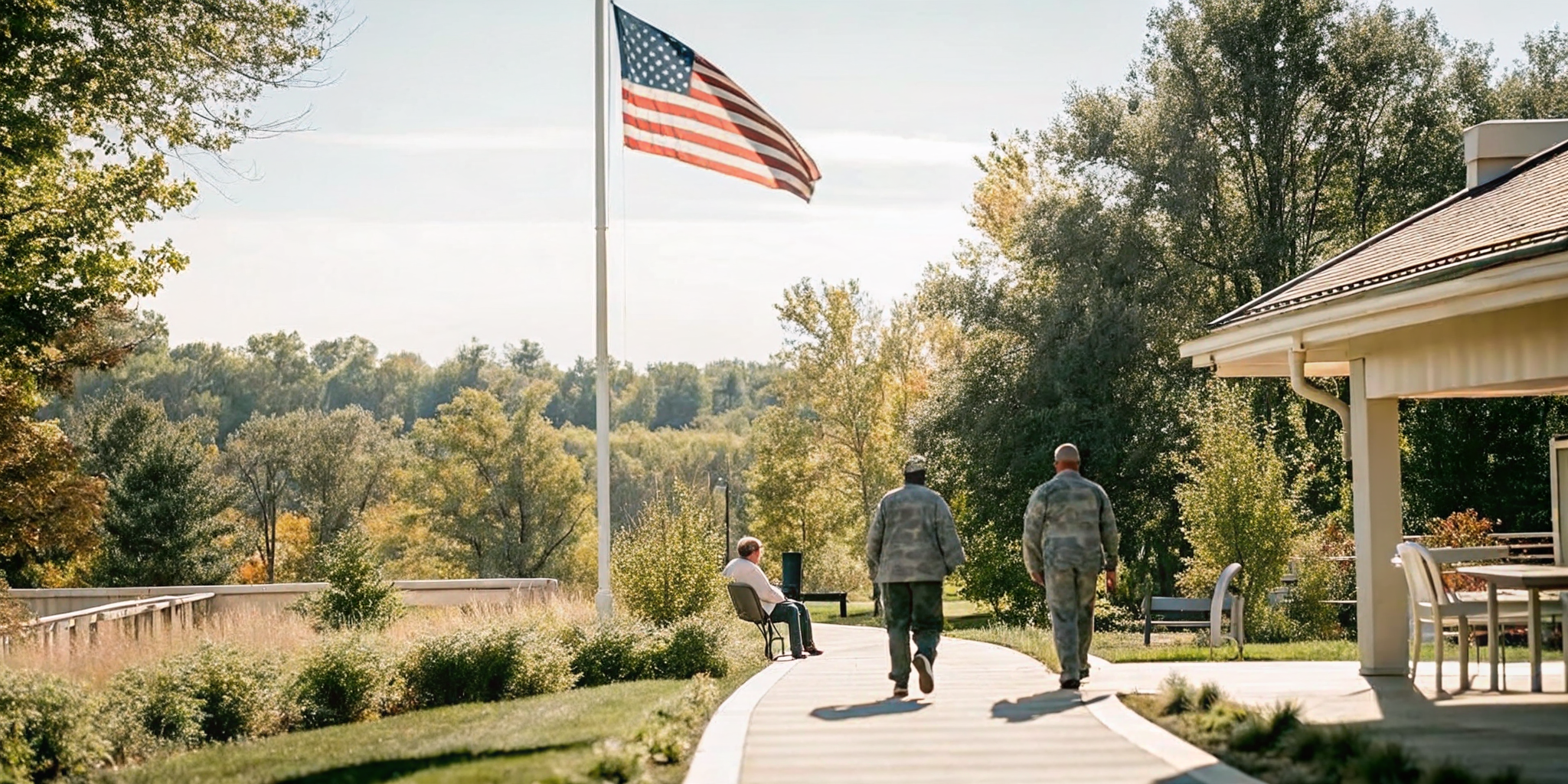
Integrated dual diagnosis care
Specialized programs must treat addiction and mental health issues at the same time. Many veterans struggle with PTSD, depression, or anxiety alongside substance use.
Evidence-based therapy options
Therapists use proven methods to help veterans build healthy coping skills. These include cognitive behavioral therapy (CBT), dialectical behavior therapy (DBT), and eye movement desensitization and reprocessing (EMDR).
Innovative clinical methods
Modern rehab centers also offer new approaches such as Brain Paint neurofeedback.
Our center offers travel assistance for out-of-state treatment and aftercare support for veterans in recovery.
How Can Massachusetts Veterans Access Care Through Legacy Healing?
Finding the right help to heal from trauma and substance use is a vital step. Legacy Healing Center offers a distinct path.
What Does the VA Offer for Addiction Treatment?
The VA provides many programs for those who struggle with drug or alcohol use.
Call (888) 597-3547 today to speak with a caring professional about your recovery journey.