

-
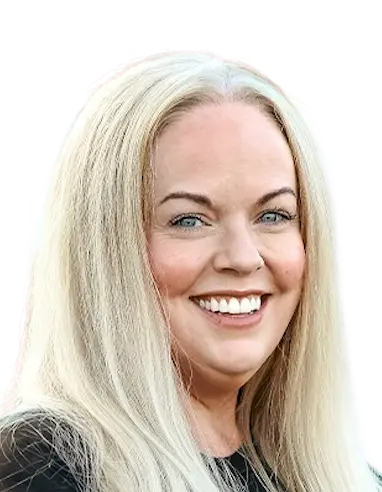
 Written By:
Erin Andrade, LICSW
Written By:
Erin Andrade, LICSW
-
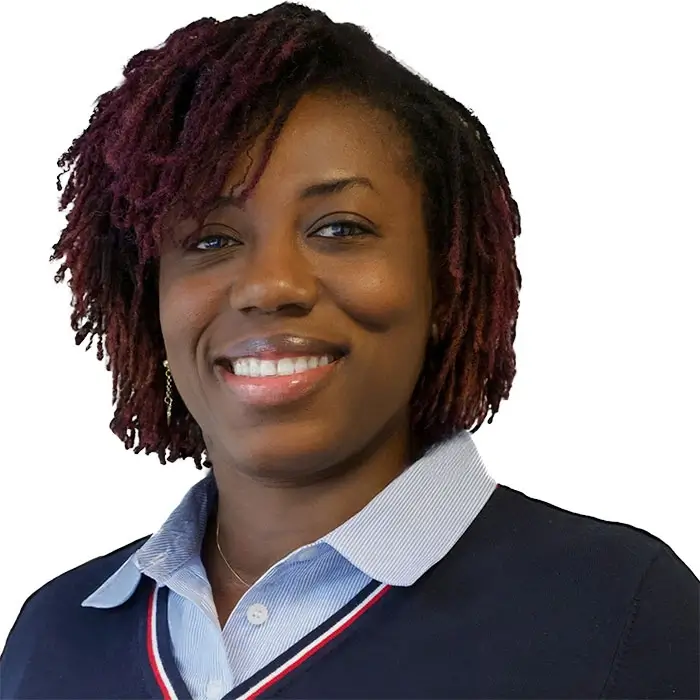
Edited By:
Phyllis Rodriguez, PMHNP-BC
-
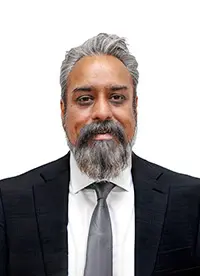
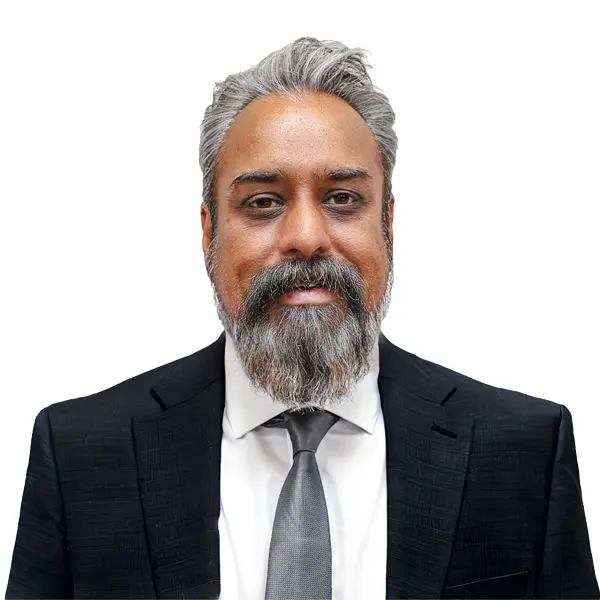
Clinically Reviewed By:
Dr. Ash Bhatt, MD, MRO
 Written By:
 Edited By:
 Clinically Reviewed By:
A simple back injury can turn into a daily fight with pain pills. You do not have to choose between constant pain and drug use. Call Legacy Healing Boston today at 888-597-3547.
Chronic pain and prescription opioid addiction recovery needs a plan that treats both the body and the mind to help you find health. Many people take pills for body pain, but these drugs can change how the brain feels joy and make the body need more pills for relief. Expert care helps you find new ways to manage pain without using drugs, and as SAMHSA notes, integrated care leads to better results for adults. Natural tools like physical therapy, brain training, and talk therapy help you take back your life and find comfort that lasts without using pills. This path lets you build a future where pain does not rule your every move and you can live with hope and peace each day.
You may wonder how a doctor’s visit for pain turned into a struggle with pills. Finding how these drugs affect your brain is the first step toward healing. We will explore the connection between ongoing pain and drug dependence to show how this cycle begins.
Chronic Pain And Prescription Opioid Addiction Recovery: What Is the Link Between Chronic Pain and Prescription Opioid Addiction?
The link between chronic pain and prescription opioid addiction is both body-led and mental. When pain lasts for a long time, it affects how you feel and act every day. Call Legacy Healing Boston today at 888-597-3547 to learn how we can help you find a path to recovery. Our team knows how hard it is to manage pain while trying to stop using drugs.
How Chronic Pain Leads to Dependence
Chronic pain creates a mix of physical and emotional stress. This stress can make you more likely to rely on pills to get through the day. Many people start taking drugs to find relief, but they soon find that inpatient treatment for opioid addiction because it changes your life. You might stop doing things you love or feel alone, which makes the need for pills feel even stronger.
Pain is not just in the body. It also impacts your mind and how you handle stress. When your body is always in pain, your brain looks for any way to stop the hurt. This search for relief is a natural response, but it can lead to a cycle of use that is hard to break without help.
How Opioids Change the Brain
Taking opioids for a long time changes the way your brain works. These drugs attach to parts of the brain that control pain and reward. Over time, your brain chemistry shifts and makes it hard to feel good without the drug. This shift is why SAMHSA reports that millions of people need help with drug use each year. In fact, about 9.2 million American adults have both a mental health issue and a drug use disorder.
When the brain changes, it also changes how you react to stress. Things that used to be easy now feel very hard. This happens because the parts of your brain that handle stress are now tied to the drug. Without the drug, your brain cannot stay calm or handle small problems.
The Cycle of Tolerance and Stress
Tolerance is a major part of the link between pain and addiction. As you use opioids, your body gets used to them. You soon need more of the drug to get the same pain relief. This cycle leads to a high risk of drug use issues. It also makes your pain feel worse when you do not have the drug, which is a state called hyperalgesia.
Breaking this loop takes a plan that treats both the physical pain and the addiction. At Legacy Healing Boston, we offer care that looks at every part of your health to help you heal for good. Our goal is to help you find non-addictive ways to manage pain while you build a life free from drugs.
Recognizing the Signs of Prescription Opioid Dependence
Spotting the signs of addiction is the first step toward safety. If you or a loved one are struggling, call Legacy Healing Boston today at 888-597-3547 to get help now. Knowing what to look for can help you find a medical detox program before a crisis occurs.
Common Physical Warning Signs
Many physical changes happen when the body needs more of a drug to feel normal. You may notice flu-like symptoms when a dose is missed. These signs include chills, sweats, and body aches. People often feel tired or have a hard time sleeping when their body depends on pills for pain relief.
Long-term use can also change how your brain feels pain and stress. This is a big risk for those who use drugs to manage chronic pain. The CDC notes that tolerance is a key sign that a person has a substance use problem.
Shifts in Behavior and Lifestyle
Changes in how a person acts often point to a deeper issue. You might see someone pull away. They often lose interest in hobbies and avoid family. Some people become secretive about their pills.
They may visit many doctors to get more pills. This is a sign they need opioid addiction treatment. Mood swings are also common. A person may feel happy one hour and sad the next. These shifts can make it hard to keep a job or stay in school.
How to Spot Opioid Misuse
It can be hard to know if someone has a problem when they have a legal prescription. But taking more pills than the doctor said is a major warning sign. Look for changes in how someone handles their drug use and daily life.
Check the number of pills used each day. Look for cases where the bottle is empty long before the next refill is due.
Watch for a loss of control over drug use. This means the person wants to stop but cannot do so on their own.
Notice a high focus on the drug. The person may spend most of their time thinking about how to get their next dose.
Look for social withdrawal or missing work. Addiction often causes people to stop doing things they once liked to do.
Note any use that causes physical harm. This includes taking pills while driving or doing other risky tasks.
Non-Addictive Pain Management: A Holistic Approach
Many people in Massachusetts struggle with chronic pain and prescription opioid addiction recovery. It is a hard cycle to break. When you use pills to hide pain, the root cause stays the same. A holistic path looks at your whole life. It uses many tools to help you feel better without the risk of new drugs. You can find real relief by mixing physical care with brain health tools.
Physical Therapy and Manual Care
Physical care helps your body move with less stress. You might start with physical therapy to build muscle and joint strength. This helps you heal from the inside out. Many patients also find relief with acupuncture. This old method uses small needles to help your body stop pain signals. Massage and chiropractic care are also great for your back and neck.
You can also use simple tools at home to feel better. Heat and cold therapy can calm sore spots after a long day. 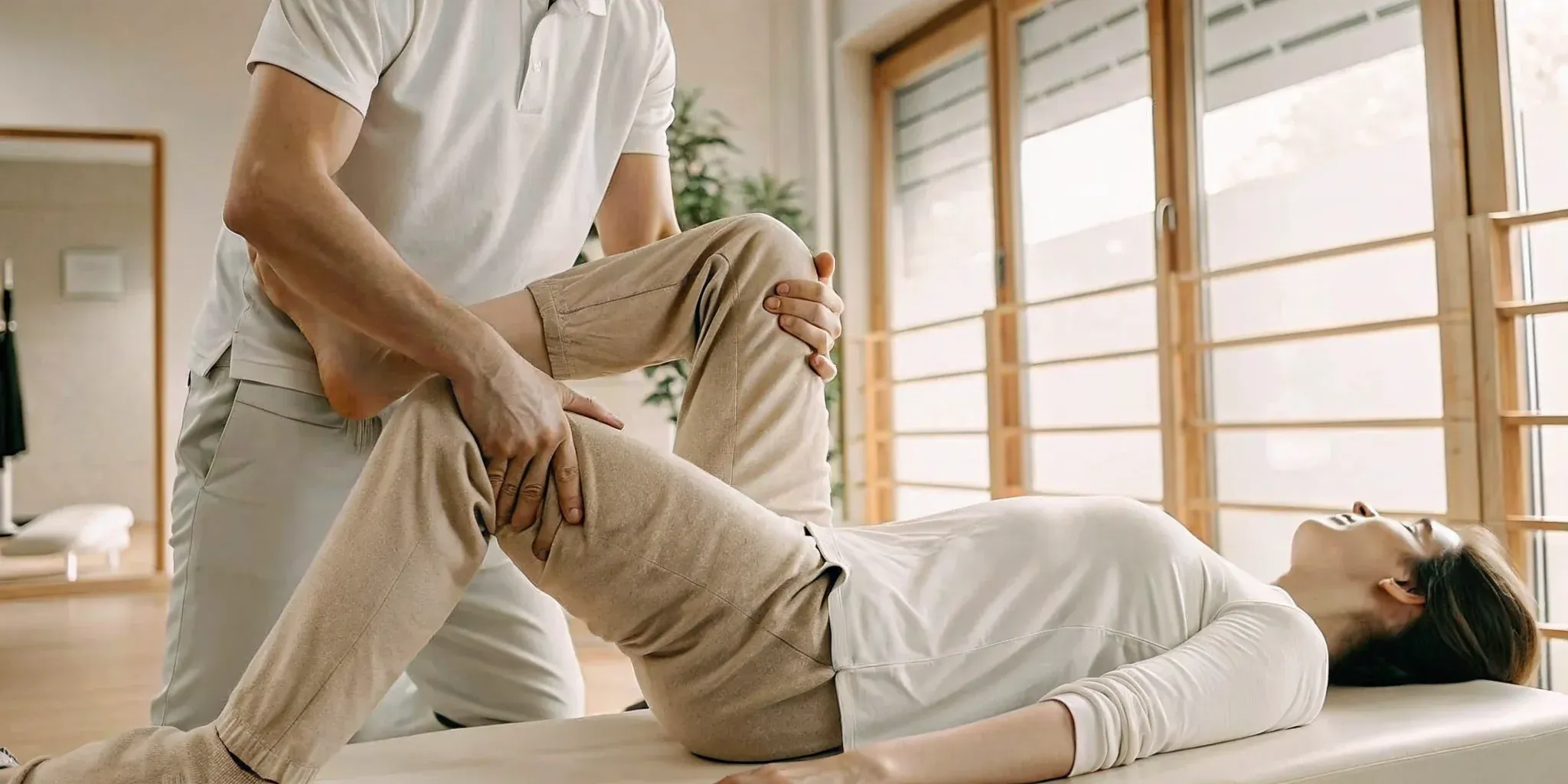 Daily exercise like yoga or stretching keeps your body loose. These medical detox program for opioids work best when you use them every day. They focus on why you hurt instead of just hiding the symptoms with a pill.
Mind Health and Brain Training
Your mind plays a big role in how you feel pain each day. Cognitive Behavioral Therapy, or CBT, helps you change how you think about your body. It teaches you to manage stress and low moods that often come with chronic pain. This type of talk therapy is a key part of recovery resources for many people. It helps you build a strong mind to handle the hard days of recovery.
Legacy Healing uses high-tech tools to help your brain heal. Brain Paint neurofeedback is a safe way to train your brain waves. It uses special sensors to track how your brain works. This tool is FDA-cleared and helps fix the patterns that cause pain or stress. You do not need drugs to see real change in your brain. It is a non-invasive way to get your life back on track.

Lifestyle Habits and Medical Aids
Some pain needs more direct help from a doctor. Medical teams can use nerve blocks or injections to stop pain at the source. These are not pills and do not lead to a new addiction. You should also look at your daily habits. Getting enough sleep and eating good food helps your body fight pain. Lowering your stress through mindfulness can also make a huge difference in how you feel.
| Care Type | Opioid Drugs | Holistic Care |
|---|---|---|
| Addiction Risk | Very High | None |
| How It Works | Masks the Pain | Heals the Body |
| Long-Term Use | Often Fails | Stays Strong |
| Side Effects | Many and Harsh | Very Few |
| Brain Health | Hurts Chemistry | Fixes Patterns |
How Does Medical Detox Work for Prescription Opioid Addiction?
Stopping prescription drugs like oxycodone or hydrocodone can be hard. For those seeking chronic pain and prescription opioid addiction recovery, the first step is often medical detox. This process helps your body clear out the drugs while keeping you safe and calm. At Legacy Healing Center, we focus on the whole person. We know that pain is real, but we also know that the cycle of use can be broken. Our team is here to help you move from a place of fear to a place of hope.
Clinical Authority and Care
The detox program is led by Dr. Ash Bhatt. He is our Chief Medical Officer and is quintuple board-certified. With over 20 years of work in the field, he brings a deep level of skill to your care. Our team provides 24/7 medical and clinical access to all guests. This means you are never alone as your body starts to heal. We use the newest tools to track your health and help you through the worst of the withdrawal. You can learn more about our detox services at Legacy Healing Boston.
Steps of the Detox Process
The path to a new life starts with a clear plan. We use a set of steps to make sure you get the best care for your specific needs.
- Full Health Check: We start with a full look at your health and pain history. This helps us see how drugs affect your body and what care you need.
- Constant Medical Care: Our team watches your health 24 hours a day. This keeps you safe and helps us manage any physical pain you feel.
- Using Medicine: If it is right for you, we use medication-assisted treatment (MAT). This can help lower the urge to use and make the process easier.
- Planning Your Move: Once your body is steady, we help you plan for the next phase of care. This move is the start of your long-term growth.
After detox, many guests move into inpatient treatment to continue their work. This gives you the time and space to learn new ways to manage pain and stress without the use of drugs.
Distance as a Healing Tool
Our health center is in the Boston, Boston 1rea. For our guests from Boston, this distance is a strong tool for change. Moving away from your home area removes the triggers and social circles that make it hard to quit. It gives you a fresh start in a luxury space. You can focus on your health without the noise of your daily life. This reset is a key part of how we help you find a path to lasting health.
Quality Standards and Support
We hold the Gold Seal of Approval from the Joint Commission for Behavioral Health Care. This mark of quality means we meet high safety standards for every guest. We are also certified by the State of Boston. Our goal is to provide a space where you can focus on getting better. If you need help now, the SAMHSA National Helpline can give you info on where to start. We are ready to help you find a life free from the weight of prescription drugs.
Why Is Dual Diagnosis Treatment Important for Co-Occurring Pain and Addiction?
Combined care is the best path for chronic pain and prescription opioid addiction recovery. About 9.2 million adults in the US face both a mental health issue and a drug habit. When you live with chronic pain, the stress and fear often lead to deep worry or sadness. Untreated pain can cause a fast relapse if a center only treats the drug use.
The Link Between Pain and Mental Health
Chronic pain is more than a physical feeling. It creates a heavy load that changes how the brain reacts to stress. People with chronic pain are much more likely to deal with sadness and worry. At Legacy Healing Boston, we look at the whole person to break this cycle and provide relief.
Combined Care vs One-by-One Treatment
For a long time, many centers used a one-by-one method for care. However, studies show that integrated dual diagnosis treatment produces better results. By treating both issues at the same time, we help you build a stronger base for the future. Our Dr. Ash Bhatt and clinical team use this model for your care.
Combined care also helps you find the source of your pain. We work to find safe ways to manage your physical needs while you heal your mind. This prevents a cycle where patients leave care only to return when their pain spikes. We do not just treat the symptoms; we treat the root of the problem.
Specialized Therapies for Holistic Recovery
Our center offers expert care that is a core part of what makes us different. We use proven tools like Cognitive Behavioral Therapy (CBT) and Dialectical Behavior Therapy (DBT). These methods help you change how you think about pain and handle your feelings. The Substance Abuse and Mental Health Services Administration notes that these methods are key for long-term health.
These tools are not just about talking; they are about building new skills. We also use EMDR and trauma-informed care to help you heal deep wounds. You will learn how to handle stress and stay present through focus and calm. Our clinical team guides you through each step of the work.
How Traveling from Boston to Boston Creates a Therapeutic Reset?
Call Legacy Healing Boston today at 888-597-3547 to find the care you need. Choosing a path for chronic pain and prescription opioid addiction recovery is a big step. For many in Boston, staying near home can make it hard to stay clean. You might run into old friends or visit spots that trigger the urge to use. Traveling to our center in Boston, Boston, creates a clear break from your old life. This distance acts as a healing reset for your mind and body.
Leaving Your Triggers Behind
In your home city, your daily life may be tied to your use of pain pills. These patterns are hard to break when you see the same sights every day. By leaving Massachusetts, you remove yourself from the social circles that may enable your use. This change in setting lets you build new, healthy habits without old things in your way. It helps you focus only on your healing and your future goals.
The space between you and your triggers is a vital tool for success. When you are far from home, you can no longer go to the same store or see the same doctor. This physical gap gives your brain time to reset how it feels pain and stress. You can learn new ways to manage your pain in a safe, luxury setting. This focus is a key part of long-term healing for those with deep habits.
Easy Travel with White-Glove Help
Moving to a new state for care can feel like a lot to handle. That is why we offer a white-glove travel help program. Our team takes care of all the plans for you, from flights to car rides. We aim to make your trip from Boston to Boston as smooth as possible. You do not have to worry about small plans while you are in pain. We handle the hard work so you can focus on getting well.
Before you pack, you can verify your insurance coverage with our team. We work with many plans to make sure your care is covered. This step takes away the fear of costs and lets you plan for your stay with ease. Our team is here to help you through every step of the move. We want you to feel supported from the start.
Starting Your Path the Same Day
When you reach out for help, every hour counts. We offer same-day entry to ensure you get care when your drive is high. You can call our 24/7 helpline to speak with a pro at any time. This service is like the SAMHSA National Helpline, which gives free help to those in need. We act fast to get you into our luxury program without delay. Our multi-state network across Boston 1nd other states ensures you get the best care as you start your new life.
What Does Recovery Look Like After Opioid Addiction Treatment?
Completing a live-in program is a big win. But the work does not stop there. Call Legacy Healing Boston today at 888-597-3547 to learn how our clinical team helps you stay on track. Long-term success in chronic pain and prescription opioid addiction recovery needs a clear plan for the months after you leave our luxury center in Boston.
Moving through the levels of care
Most people do best when they move slowly from full-time care back to daily life. Our care path includes a partial hospitalization program (PHP) that gives high-level medical help during the day. This step-down model lets you use new life skills while you still have a strong safety net near you.
After PHP, many clients move to an intensive outpatient program. This level of care gives you more time to handle work or family tasks while you go to therapy a few times each week. Facts from the National Center for Biotechnology Information show that staying in care for a longer time leads to better results for those with drug use issues.
How to manage pain without pills
A big part of your path is finding new ways to handle the physical pain that led to drug use. Our holistic plan uses non-drug tools like physical therapy, massage, and body work. These help you cope with pain without the risk of a new slip. We also use brain-training tools to help your mind process pain and stress in a better way.
Learning to live without pills takes time and help. Our aftercare programs for sustained recovery give you a group of peers who know your path. Legacy Healing has a 4.6/5 score from 431 reviews. We were named the #1 Restorative Luxury Rehab in the Country for 2025. We help you build a life where pain does not run your day.
- Full medical and clinical help at every step
- Custom pain plans that use holistic tools
- Lasting access to peer groups and alumni
- A move-home plan led by top doctors
Frequently Asked Questions
What is the best evidence-based method to treat opioid use disorder?
Experts say that the top way to treat this is by using both medicine and therapy. This path is called medication-assisted treatment. It helps people manage physical needs while learning new ways to cope with stress. According to the CDC, this mix of care is the gold standard for success. It keeps patients safe and lowers the risk of return to use.
What drugs are used to treat prescription opioid addiction?
Doctors often use three main types of medicine to help with recovery. These are methadone, buprenorphine, and naltrexone. These tools help reduce the urge to use and stop the pain of withdrawal. They work by acting on the same parts of the brain as opioids but in a safer way. These medicines must be given by a trained medical team as part of a full treatment plan.
Can a person fully recover from opioid addiction?
Recovery is a long path that lasts for a lifetime rather than a quick fix. Many people live healthy and happy lives after they finish a treatment program. Success often needs a mix of medical care, therapy, and support from others. It is important to have a plan for aftercare to stay on track. This helps people manage long-term pain and stress without using drugs again.
Does insurance pay for opioid addiction recovery programs?
Most private insurance plans help pay for the cost of detox and rehab services. Federal law says that health plans must treat mental health and addiction the same as other medical needs. You can check your plan to see what is covered before you start. Our team can help you verify your insurance coverage to find the best options for your care. This helps you focus on getting better.
Ready to find the root cause of your chronic pain and addiction?
Living with chronic pain and an opioid habit can feel like a heavy weight that you cannot drop without the right expert help. Every day you wait to get medical care is another day this cycle grows stronger and puts your long-term health and personal safety at risk. You can stop the damage now while our team helps you focus on healing in a safe space away from your old triggers.
Ready to reclaim your health? Call 888-597-3547 to verify your insurance and take the first step toward recovery. You can also learn about our medical detox program to see how we help you manage withdrawal safely.